
By Jonty Watt
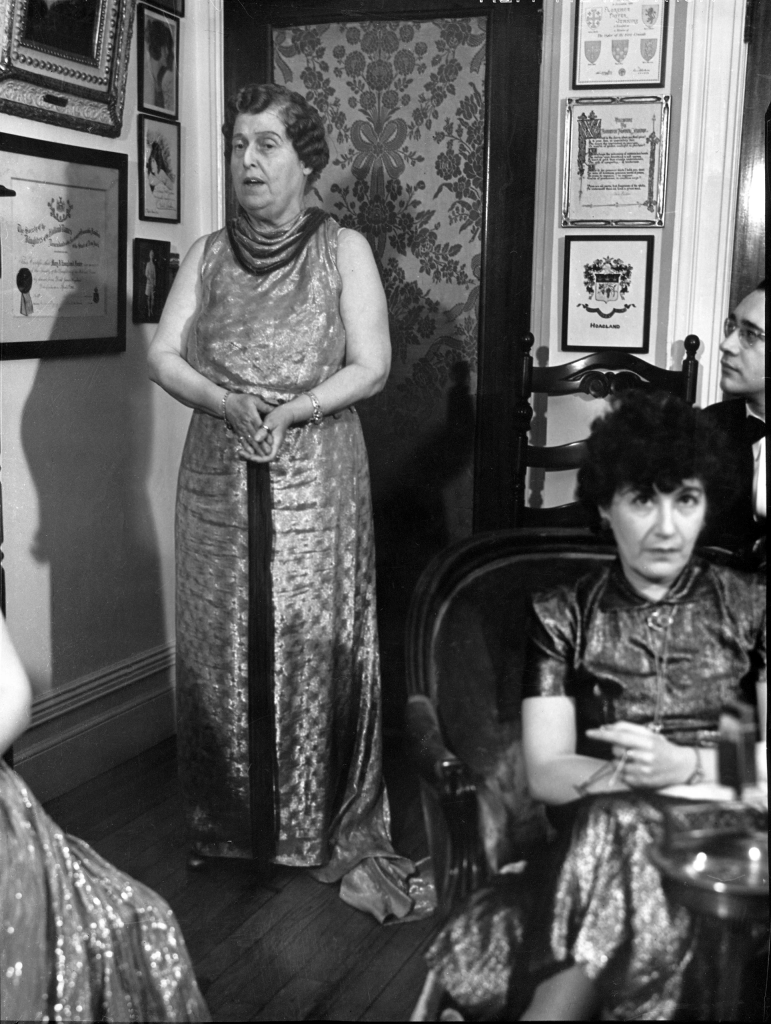
If you have ever happened upon a recording of Florence Foster Jenkins’s singing, you might think she makes a remarkably strange choice of inspirational figure. Dubbed the ‘anti-Callas’ and ‘exquisitely bad’, her recordings of difficult operatic repertoire are, indeed, legendarily woeful. Her ‘Queen of the Night’ aria has racked up nearly two million views on Youtube, and it’s easy to hear why. Jenkins’s consistently haphazard pitching, her optimistic attempts at high notes, her anti-metronomic rhythm – these all surely make for entertaining listening. What separates Florence Foster Jenkins from your typical, common-or-garden bad performance, however, is her confidence. And on this front, she is legendary.
Scrolling through the comments on the aforementioned Youtube video is an enlightening experience. Far from exhibiting unanimous ridicule, the comments suggest a legion of devoted fans finding enormous inspiration (even catharsis) in her wayward vocalisations. So what is going on?
There remains considerable debate over whether Jenkins knew quite how bad she was. On the one hand, she continued to give performances and compared herself favourably to opera’s biggest stars. On the other hand, she was certainly aware of her detractors. I’m not sure it matters, though. What I, and so many others, find liberating in Jenkins’s performances is their utter, reckless abandon. In standing on stage and singing joyfully, Lady Florence empowers us to be bad, to fail, to ignore (whether deliberately or not) the restrictions and expectations imposed on us by everyone and everything around us. Her recordings are at once proto-punk, queerly utopic, anarchic, and utterly dreadful. To me, they are euphoric. In a conservatoire environment, where there is no time whatsoever for amateurishness, it is such a revelation to allow oneself to be bad. As Jenkins herself put it: ‘People may say I can’t sing, but no one can ever say I didn’t sing.’


 RAMpage